



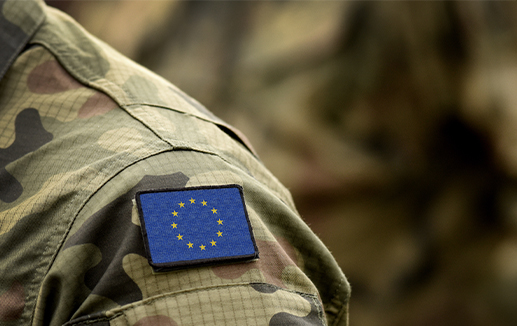
 © Bumble Dee stock.adobe.com
The European Parliament today approved legislation making it clear when EU member states can exempt defence-related activities from key chemicals laws.
The vote follows a provisional agreement reached with the Council of Ministers in June on the chemicals elements of the European Commission’s defence omnibus package, which aims to simplify regulatory requirements affecting the defence sector.
For companies supplying chemicals, biocides or mixtures to defence users, the changes could provide greater clarity on when national authorities may grant exemptions, although implementation will remain in the hands of individual member states.
The legislation was approved by 530 votes in favour, 125 against and 12 abstentions.
The deal confirms that member states can apply REACH defence exemptions where necessary and introduces equivalent provisions into CLP and the Biocidal Products Regulation (BPR).
The Commission has said that existing defence exemptions are interpreted too narrowly and that clearer rules are needed to support the bloc’s defence readiness. The final compromise, however, includes safeguards sought by MEPs to keep derogations limited to justified cases and prevent them from spilling over into civilian applications.
The legislation has drawn criticism from environmental campaigners and left-wing lawmakers, who say the changes could weaken EU environmental protections.
Ahead of the plenary vote, Left group MEP Per Clausen said the proposal was "not about defence" but about weakening safeguards for health and the environment.
"It’s not about defence," he said. "It’s not about simplifying rules or strengthening Europe. The Defence Omnibus is really about letting companies dump forever chemicals and toxic products into our water, our soils and the air."
Clausen added that the Commission was using simplification "as an excuse to slash years of environmental protections and roll back workers’ rights and consumers’ safety".
The text now awaits formal adoption by the Council of Ministers before being published in the EU’s Official Journal.